| CHANGE-MAKING
Learning begins in the body, in experience, in the act of touching, seeing, and moving through space. It is through this wholeness that we deepen our understanding of who we are, and how our relationship with the life of place.
Education projects have included working with the National Trust, Liverpool Young Urbanists, Children’s Museum of Cairo and the Earth Trust.
Earth Trust
“OUR VISION IS A SOCIETY WHERE ACCESSIBLE, ENGAGING GREEN SPACES ENABLE NATURE AND PEOPLE TO THRIVE IN BALANCE” Earth Trust
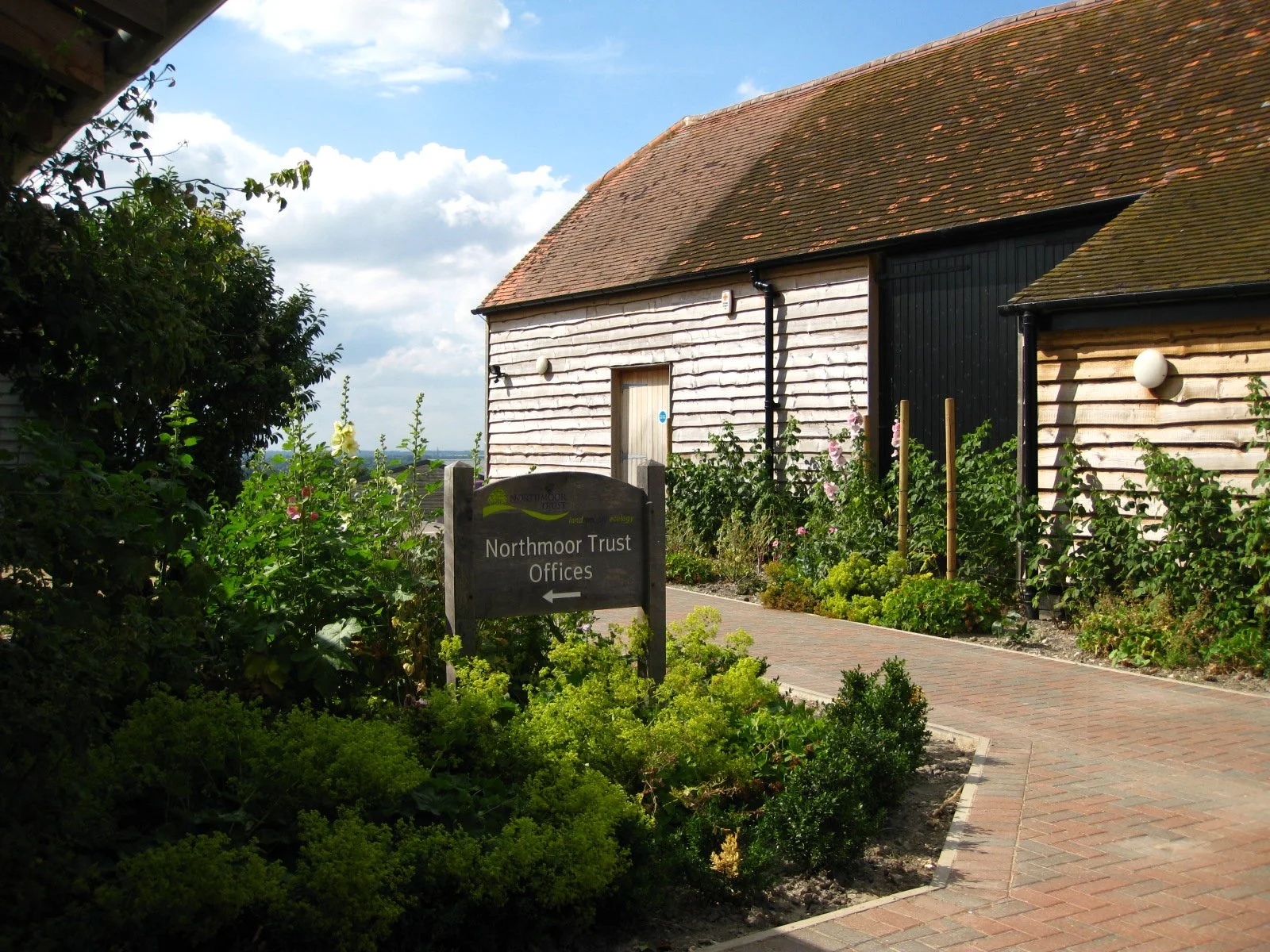
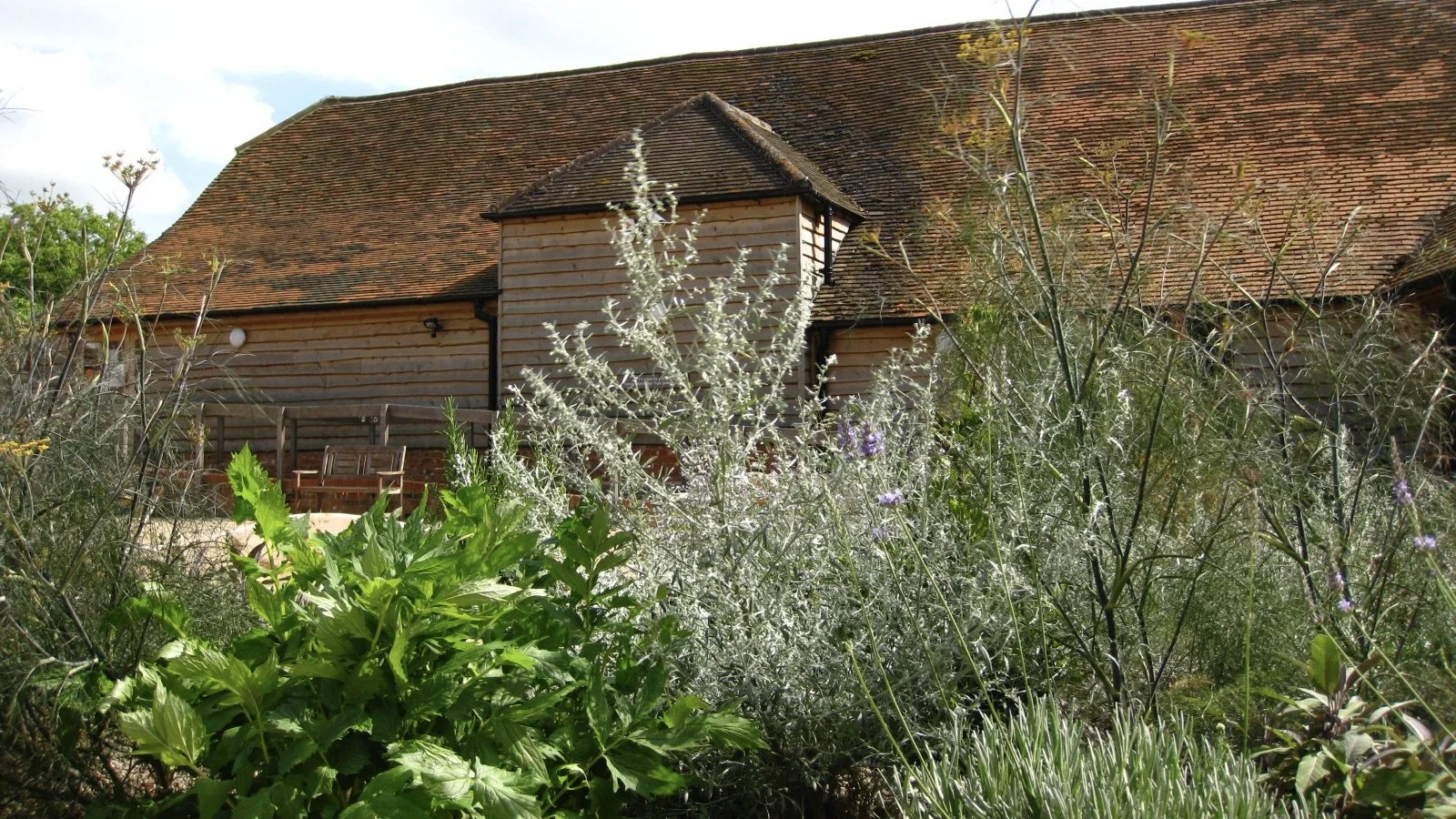
I met with the Earth Trust at a time when the team had just completed a new visitor centre and education programme at their historic farm nestled beneath the Whittenham Clumps in Oxfordshire—a landscape already layered with stories of settlement, cultivation, and community. The Trust’s vision was to expand these narratives into the future, connecting people more deeply to land and learning.
This project began with a simple intention: to create space for young people—especially those often excluded from classrooms, from access to green space, or from being heard—to meet the land and one another through care, creativity, and listening.
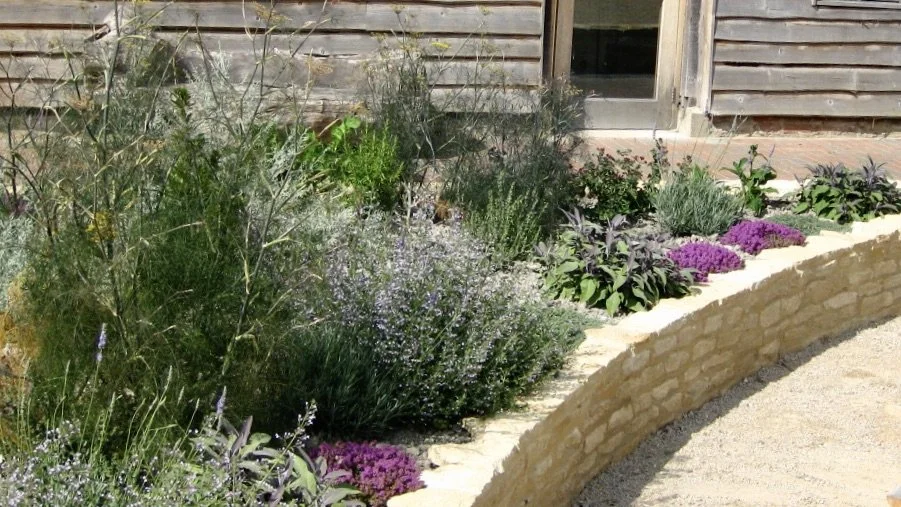
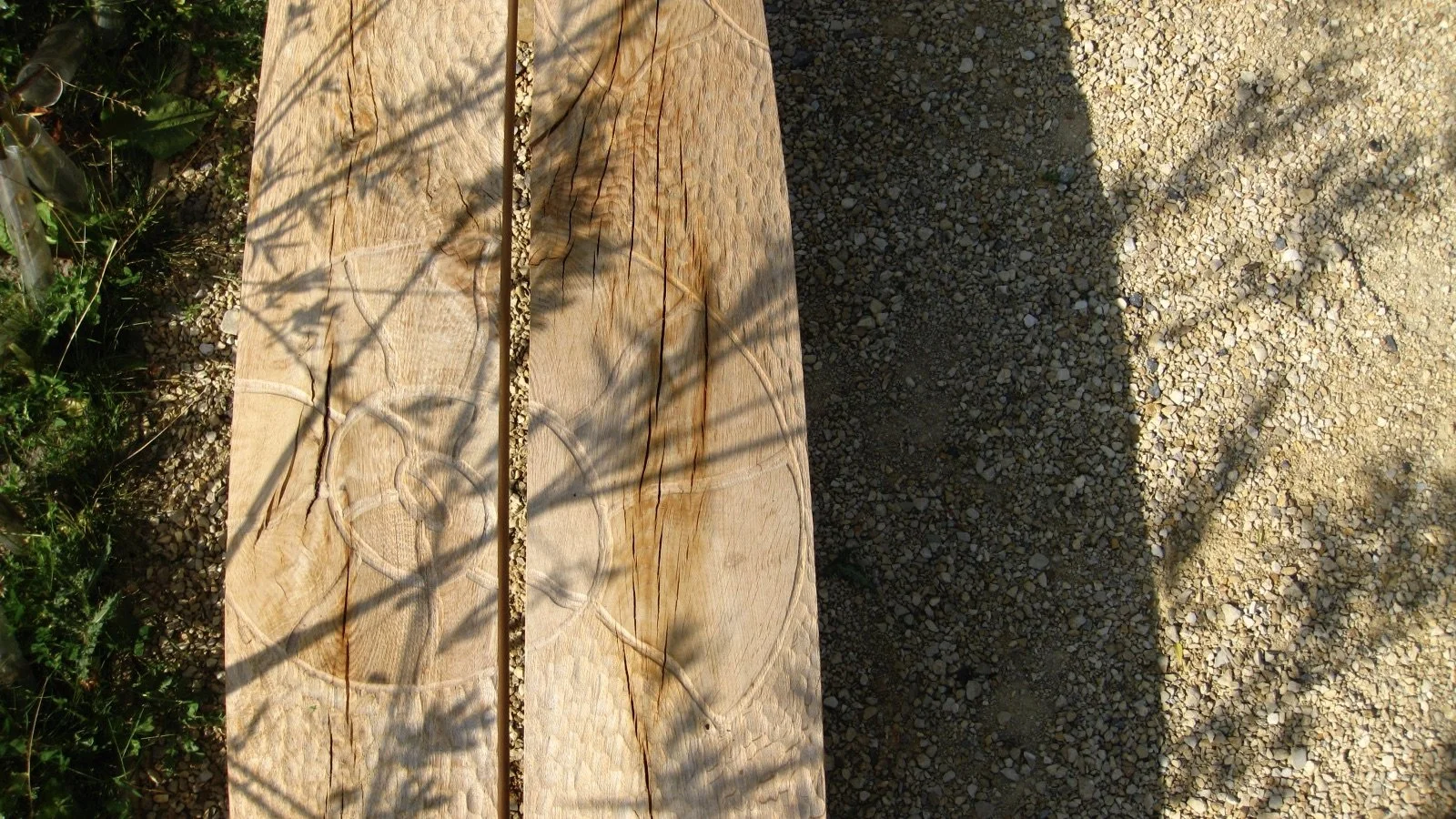
The work unfolded through a series of shared experiments: with young women and girls, we explored their relationship to plants and healing power of herbs—discovering the language of scent, touch, and remedy as a way of reconnecting with ourselves. With young people with learning differences, we hosted creative design workshops working with clay and found objects to imagine and carve patterns for communal seating. With children from East Oxford, we joined artist Eka Morgan in Hear from the Ground, an audio journey capturing their first encounter with the Clumps—voices of questions and deep insight.
Each encounter was a form of collaborative design research. By deeply attending to these young people, their experiences and artworks guided the final designs—informing the shapes of shared courtyards, the textures of seating, and the planting plans of edible and medicinal species. The education programme that grew from this continues to carry their questions and ideas forward.
At the centre of the site, a courtyard now serves as both threshold and gathering place. Low, accessible beds invite hands of all ages to plant and harvest. The landscape becomes teacher, classroom, and companion—an ecology of learning where growth is shared, and design is never finished.
Beyond the courtyard, pathways and plantings extend the journey into the arboretum, offering places for rest, reflection, and discovery. Every element echoed the same commitment: to let young people, in all their different skills, experiences and needs to shape the landscape as a welcoming and adaptable space—and to support the Trust’s commitment for future learning environments to remain rooted in listening, reciprocity, and care.